

Famous Cases Where Casinos Returned Winnings or Helped Players in Crisis
The casino industry is often associated with strict rules, risk, and financial loss, yet there are documented situations where operators acted with unexpected fairness or even compassion. These cases are rarely highlighted in marketing materials, but they reveal how land-based and online casinos sometimes resolve disputes, correct mistakes, or assist players during personal emergencies. Understanding these examples helps form a more balanced view of how the industry operates in practice.
When Casinos Correct Their Own Mistakes
Errors in gaming systems, whether mechanical or digital, have led to several high-profile disputes over winnings. One widely discussed example involves slot machine malfunctions where players appeared to win large jackpots that were later disputed by the casino. In some cases, after investigations by regulators, operators agreed to pay the winnings in full or reach a settlement, especially when the fault was clearly not caused by the player.
In the United States, there have been multiple incidents where progressive slot systems displayed incorrect jackpot amounts. Regulators such as the Nevada Gaming Control Board have occasionally required casinos to honour payouts if the malfunction was not obvious to the player. These decisions are often based on whether the player could reasonably understand that an error had occurred.
Online casinos have faced similar issues, particularly with software bugs or delayed updates. In 2020–2024, several European operators revised their terms after disputes, clarifying when winnings would be paid in the event of technical faults. In some cases, operators voluntarily paid partial or full winnings to maintain their reputation and avoid regulatory penalties.
Regulatory Pressure and Fair Outcome Decisions
Independent regulators play a central role in ensuring fairness when disputes arise. Authorities such as the UK Gambling Commission and the Malta Gaming Authority require licensed operators to follow strict procedures when handling complaints. If a player escalates a case, the operator must provide detailed logs and evidence explaining the outcome.
Alternative dispute resolution (ADR) bodies have also contributed to cases where players received compensation. These organisations assess whether casino terms were applied fairly and transparently. If terms are found to be unclear or misleading, rulings may favour the player, sometimes leading to returned winnings or financial settlements.
In practice, casinos often choose to resolve disputes before they escalate. Offering a payout or compromise can be less costly than reputational damage or regulatory scrutiny. This is particularly true in regulated markets where compliance directly affects licensing status.
Cases Where Casinos Assisted Players in Crisis Situations
Beyond financial disputes, there are documented instances where casinos have helped players during emergencies. In land-based venues, staff are trained to respond to medical incidents, and there have been cases where quick intervention by casino personnel saved lives. Large resorts in Las Vegas, Macau, and Singapore maintain on-site medical teams for this purpose.
There are also examples involving financial hardship. Some casinos have refunded deposits or reversed transactions when players demonstrated clear signs of distress, particularly in jurisdictions with strong responsible gambling frameworks. These actions are usually discretionary but influenced by internal policies and regulatory expectations.
Online operators increasingly use behavioural tracking tools to identify risky patterns. If a player shows signs of problem gambling, such as rapid deposit increases or continuous play, the system may trigger intervention. In certain cases, operators have returned recent losses or blocked accounts to prevent further harm.
Responsible Gambling Policies in Practice
Responsible gambling policies are not limited to theory; they are enforced through specific tools and procedures. Self-exclusion programmes allow players to block access to their accounts, and in some cases, operators have honoured requests retroactively, cancelling bets placed shortly after a self-exclusion attempt.
In the UK, several cases between 2021 and 2025 involved operators being required to refund players due to failures in duty of care. Investigations found that warning signs had been ignored, leading to regulatory fines and compensation payments. These outcomes highlight how compliance failures can result in direct financial restitution to players.
Casinos also collaborate with support organisations. When a player is identified as vulnerable, operators may provide information on counselling services or restrict access to prevent further losses. While not always publicised, these interventions form part of broader harm reduction strategies.
Unusual Situations That Led to Player Compensation
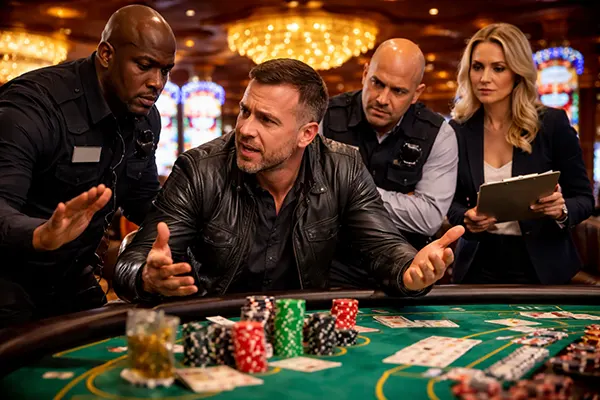
Some of the most unusual cases involve circumstances outside standard gameplay. For example, players have received compensation after being wrongly accused of cheating. Investigations later proved their innocence, and casinos offered financial settlements to address reputational and emotional impact.
There are also cases involving external disruptions. In land-based casinos, power outages or system failures during gameplay have led to disputes over unfinished rounds. In certain instances, casinos chose to compensate players rather than void all activity, especially when significant bets were involved.
Another category includes human error by staff. Incorrect payouts, miscommunication at gaming tables, or administrative mistakes have occasionally resulted in disputes. While casinos typically have the right to correct errors, some have honoured the original outcome to maintain trust with their customers.
What These Cases Mean for Players Today
These examples show that while casinos operate under strict rules, there is room for discretion and fairness. Players who encounter disputes should document all interactions, retain transaction records, and use official complaint channels. Clear evidence increases the likelihood of a favourable resolution.
It is also important to choose licensed operators. Regulated environments provide access to dispute resolution services and enforce accountability. Without oversight, players have limited options if a disagreement arises.
As of 2026, the industry continues to evolve, with stronger consumer protection measures and increased transparency. While not every dispute ends in compensation, the number of cases where players receive fair treatment has grown, reflecting both regulatory pressure and changing expectations within the sector.